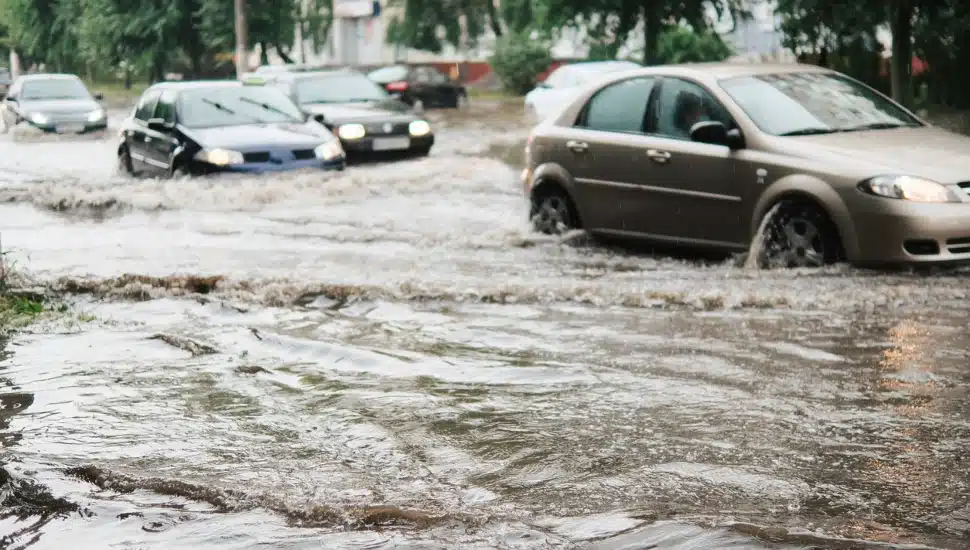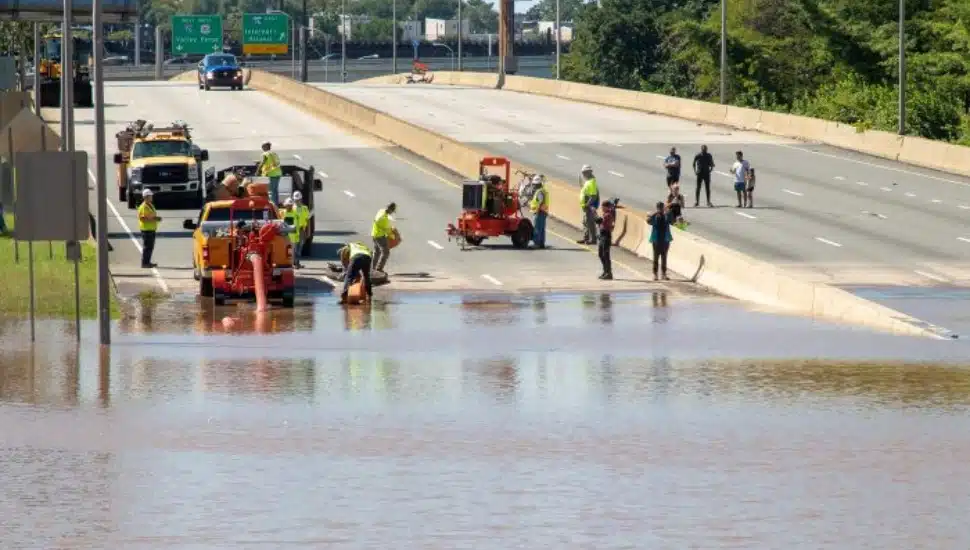
When the remnants of Hurricane Ida swept through Philadelphia in 2021, the Schuylkill River surged past 16 feet, swallowing roads, homes, businesses, Boathouse Row, the Schuylkill River Trail, and the Vine Street Expressway.
New research from Penn scientists suggests that catastrophic flood wasn’t a one-off, but a glimpse of the city’s future, writes Zoë Read for WHYY.
Using hydrological and climate models alongside high-resolution river scans and laser mapping, researchers traced exactly how floodwater moved through the city during Ida, pinpointing the conditions that turned heavy rain into a citywide emergency.
Their conclusion: as climate change drives more intense rainfall, what felt like a freak storm could become routine.
“Today they’re record events, but if we continue to warm the planet, because we continue to burn fossil fuels and generate carbon pollution, then events today that are singular, that are unprecedented, become commonplace,” said Penn environmental science professor Michael Mann.
The numbers back that up, as storms once expected only once a century could now strike every three years.
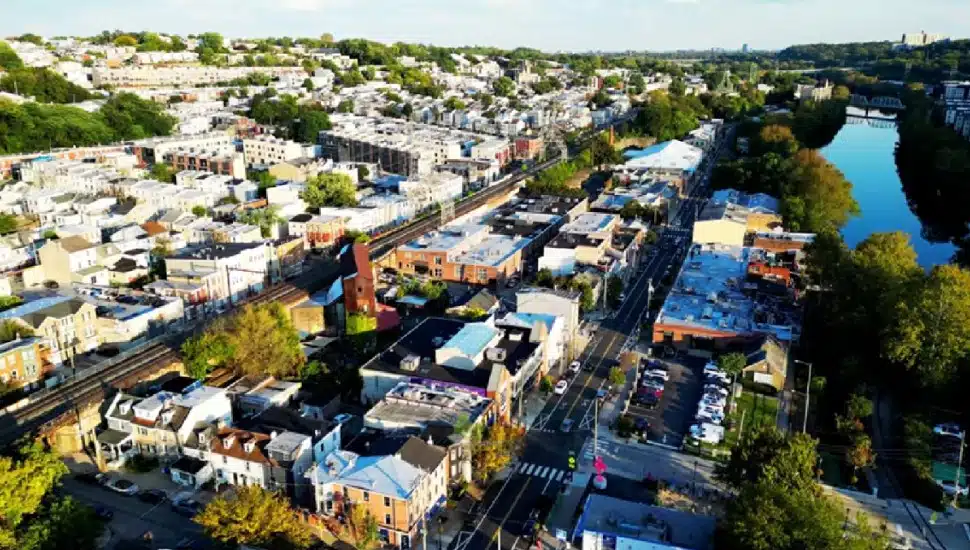
Part of the problem lies in the city itself. Paved surfaces, saturated soil, low-lying neighborhoods, aging drainage systems and Philadelphia’s dense built environment all trap water and push it toward vulnerable areas.
The risk isn’t evenly spread, either.
The study found flooding threatens both heavily developed neighborhoods and communities with the fewest resources to recover.
For Penn researchers, the answer isn’t fighting the river but rethinking the city’s relationship with it. This means stronger sewer systems, more green infrastructure, and smarter design that helps Philadelphia absorb and move water.
“We need to live with this river… that means that we need to have innovation and think about smart solutions,” said Penn environmental science professor Hugo Ulloa.
To see what Hurricane Ida revealed about Philadelphia’s flood future and why the city’s next big storm could demand a much smarter response, read WHYY.
_____