Small businesses across the Greater Philadelphia region and Mid-Atlantic — from neighborhood retailers to local service providers — are demonstrating remarkable resilience in an economic environment defined by persistent cost pressures and ongoing uncertainty. Despite inflation, rising cost-of-living expenses, and tariff-related disruptions, the vast majority of business owners report that they are not just holding steady but performing well.
According to new survey data from WSFS Bank, 92 percent of small business owners say their companies are meeting or exceeding expectations. Looking ahead, optimism remains strong: two in three (66 percent) anticipate growth over the next 12 months, and more than half (52 percent) expect revenue increases.
The findings paint a picture of a business community that has adjusted its expectations, reworked its playbook, and is now operating with a more disciplined, intentional approach to growth. For many local owners, that resilience shows up in everyday decisions, from adjusting pricing to managing staff hours and rethinking supplier relationships.
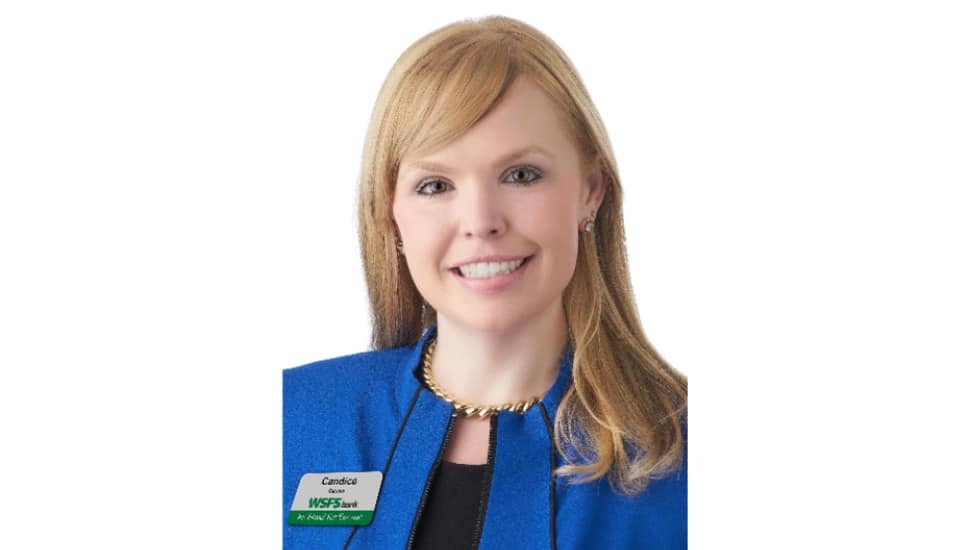
“Small business owners have proven to be skilled navigators of uncertainty, turning economic challenges into opportunities for refinement,” said Candice Caruso, Senior Vice President and Chief Business Banking Officer at WSFS Bank.
Cost Pressures Are Forcing Smarter, More Localized Operations
About a third of businesses report their businesses have been negatively impacted by recent economic conditions. Among those, inflation tops the list (52 percent), followed by the broader cost-of-living crisis (43 percent) and tariff-related uncertainty (40 percent). Rising costs continue to influence decision-making for local operators.
Whether it’s a restaurant adjusting menu prices or a contractor managing material costs, these pressures are playing out in real time across local communities. Rather than waiting for perfect clarity, many owners are actively adjusting how they operate in real time.
The survey points to a clear playbook emerging: more than half (51 percent) have reduced non-essential spending, 31 percent have shifted to lower-cost suppliers, and 27 percent have renegotiated contracts with existing vendors. Taken together, those moves reflect a shift toward tighter cost control and more active financial management, not just short-term cuts but ongoing discipline.
“The macroeconomic environment has put small business owners in a difficult position, but there are opportunities to adjust” said Andrew Davis, Director of Macroeconomics Research at Bryn Mawr Trust Advisors. “While inflation and tariff uncertainty remain headwinds, businesses are increasingly planning around volatility rather than waiting for it to resolve.”
For many local business owners, this translates into a more hands-on approach, including staying close to expenses, revisiting vendor relationships, and being deliberate about where to hold the line and where to keep investing.
AI Is Emerging as a Defining Competitive Advantage
Artificial intelligence is no longer theoretical for most small businesses. Four in five small businesses now report using AI tools for at least one business function, most often in data analysis (43 percent) and marketing or content creation (42 percent).
But adoption is far from uniform. Mid-sized businesses are moving faster, integrating AI across various operations like employee productivity, customer service, financial management, and cybersecurity. Many smaller and long-established firms are still evaluating where it fits into their day-to-day operations.
“We’re seeing business owners focus on where AI can take friction out of their operations,” Caruso said. “The most effective approach is to start with a clear, immediate need — whether that’s saving time, improving customer engagement, or getting better visibility into the business — and build from there.”
The most cited barriers to adoption are a lack of clear use cases and concerns about accuracy. But they do require access to guidance and trusted advisors who can help owners evaluate where AI applies and where caution is warranted.
The Expanding Role of Trusted Financial Partners
As businesses navigate cost pressure, technological change, and ongoing economic uncertainty, their expectations of financial partners are evolving.
While overall satisfaction with business banking remains high at 84 percent, it is notably lower among smaller and newer businesses, the very segments facing the greatest constraints. Larger businesses are more likely to engage their banking partners across a wide range of services, from credit solutions to advisory support. Smaller firms, by contrast, are less likely to tap into tools like cash flow management or advisory support that could meaningfully strengthen their position.
This highlights a critical opportunity: access to a trusted advisor who can help businesses not only manage uncertainty but also identify pathways to growth and technology adoption. Whether a business is thriving or navigating financial headwinds, having the right banking partner may be one of the most consequential advantages available to them.
“Through our trusted advisor program, we’re focused on helping business owners connect the dots — from managing day-to-day financial needs to planning for long-term growth,” Caruso said. “It’s about providing guidance that’s practical, personalized, and grounded in what each business is trying to achieve.”
For small businesses looking for support, WSFS Bank offers the financial solutions and advisory expertise needed to move forward with confidence. From managing cash flow to accessing credit and evaluating new technologies, WSFS is committed to helping local business owners take the next step.
If you have questions about how your financial institution can better support your business, connect with the WSFS Business Banking Team.