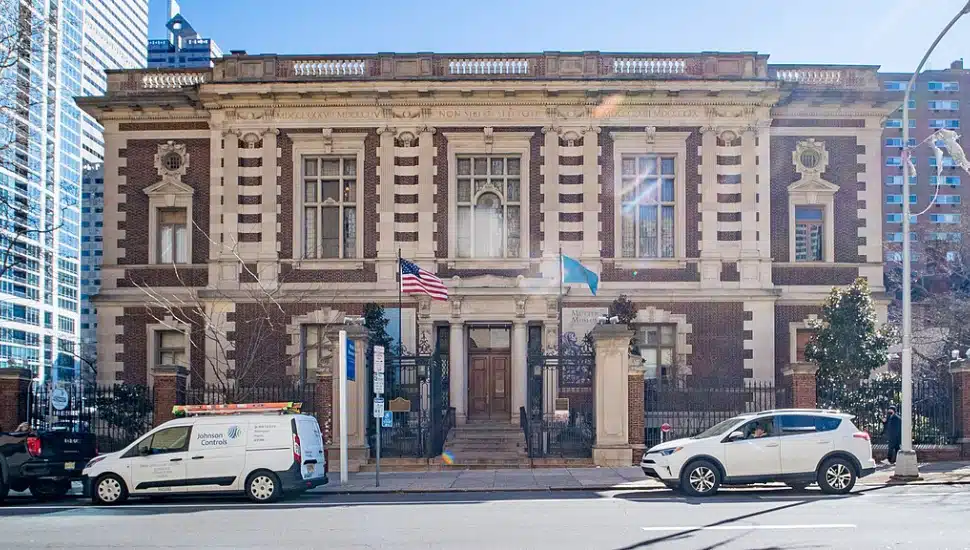
As the Mütter Museum and College of Physicians of Philadelphia celebrate America’s 250th birthday, one exhibit details how Philadelphia became the birthplace of American medicine, writes Stephanie Stahl for CBS News Philadelphia.
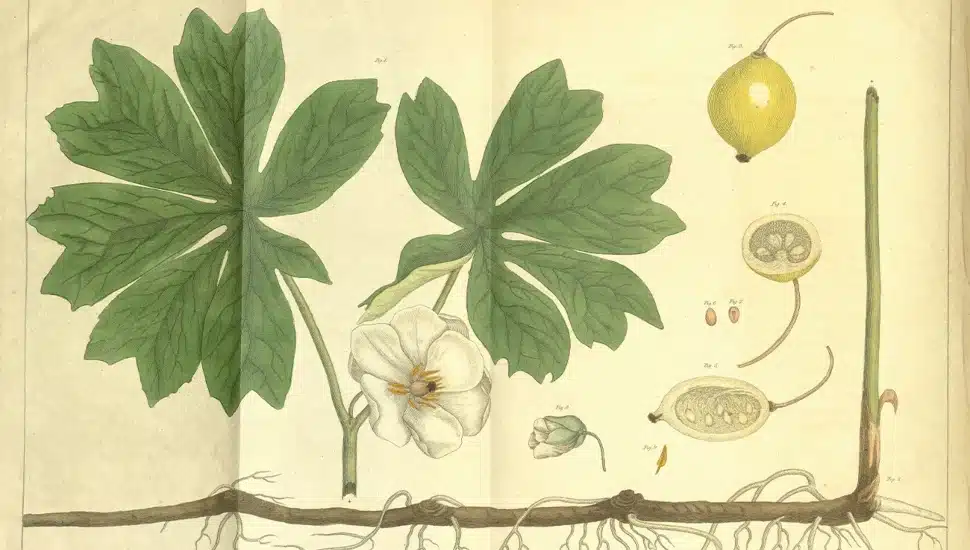
The exhibit is called Revolutionary Botany and highlights the origin story of American pharmacies, and specifically how early settlers would use medicinal plants and botanical gardens to treat diseases.
Among these plants include the skunk cabbage, which was used to treat asthma, as well as the boneset, which was used to help heal broken bones.
This led to the creation of the Pharmacopoeia — an encyclopedia of healing plants, which later became the first collection of recommended medicines — published in 1820.
“Many of the college founders were revolutionaries,” Meredith Sellers, arts and accessibility programs coordinator at the Mütter Museum, said, “and they are really setting the stage for how physicians are operating in this new country and what materials they are using.”
Some of these materials continue to be used to help treat ailments, albeit for different reasons in some cases.
For example, garlic may be used to address heart and immune system challenges, while sage was used to help treat colds.
About 25 percent of modern medication comes from plants.
Read more about the Revolutionary Botany exhibit and how Philadelphia physicians became the catalyst for modern American medicine at CBS News Philadelphia.
_____