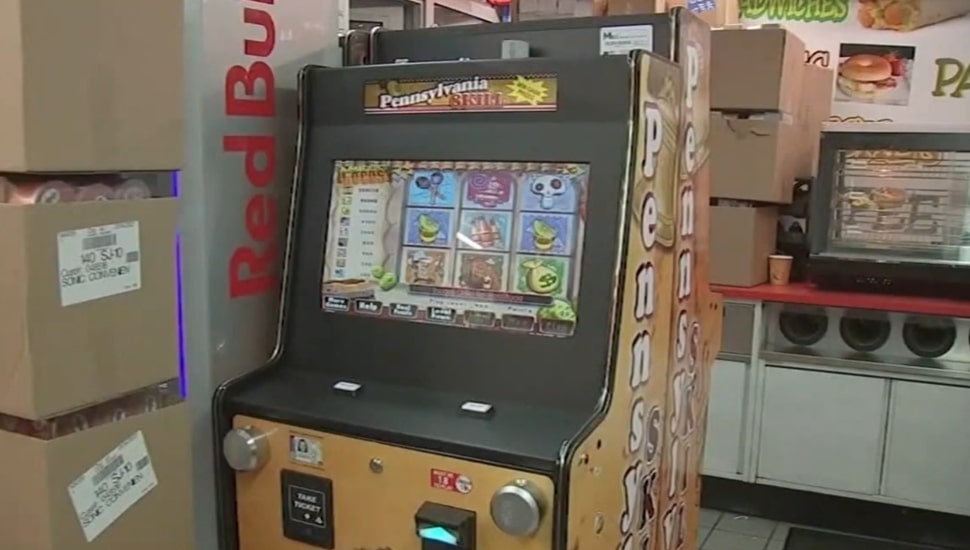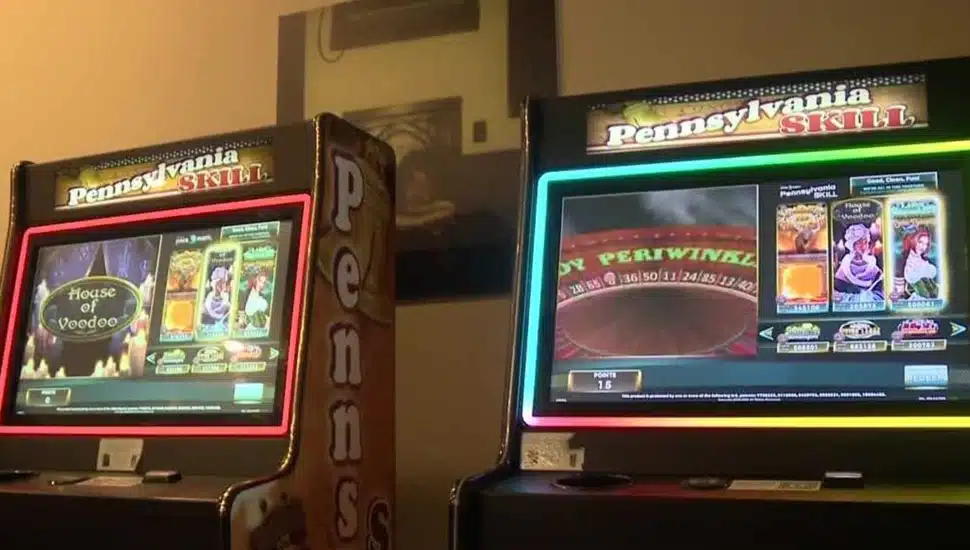
When the Supreme Court of Pennsylvania convened recently to hear oral argument over the legality of Pace-O-Matic’s (POM) so-called “skill games,” the Justices asked a fundamental question: Is it legal to give people the opportunity to gamble in this Commonwealth?
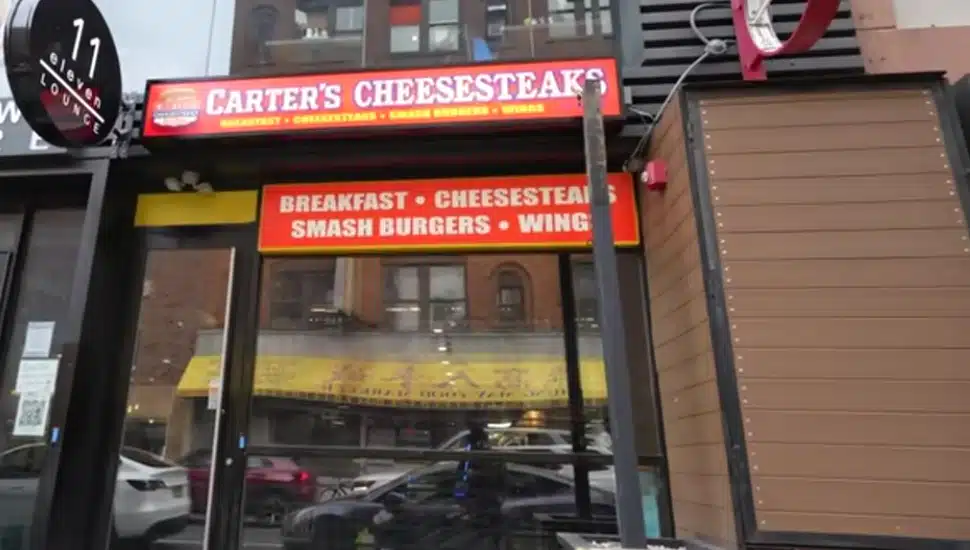
Over the course of the hearing, the Justices repeatedly pressed POM’s attorney on why these machines, which sit in gas stations, convenience stores, pizza parlors, and laundromats, among other locations, are not gambling devices.
One Justice cut to the heart of the matter: “You put money in, wheels are spinning, and then you see if you won or not. That looks and smells a lot like gambling, doesn’t it?” Another Justice noted that customers can walk into a store with no intention to play the so-called “skill” aspect of the game and simply “pull it and pull it … hoping their gamble will pay off and they will get the jackpot.”
A third Justice noted: “If a machine has two components, one chance, one skill, and every player has to play ‘the chance,’ but not every player has to play ‘the skill,’ then chance is the predominant factor and it’s a gambling device.”
That is the central problem. Skill games circumvent every rule, safety requirement, and tax obligation that casino gaming and other forms of legal gambling have been following for more than 20 years in Pennsylvania. Casinos are required to meet strict security standards, including 24/7 surveillance monitored by the Pennsylvania Gaming Control Board. Casinos employ trained security personnel. The state has imposed strict cash-handling rules, licensing, and background checks. Every game in every casino is tested by the state to ensure fair play — for customers.
But skill games are not regulated. They are not required to provide safety measures. In fact, POM has made it clear that they do not care about public safety. During separate litigation involving the 2020 murder of a Hazleton store clerk, which has been connected to the presence of skill games in the store, Frank Fina, POM’s Chief Administrative Officer, dismissed the horrific shooting as irrelevant. In sworn deposition testimony, Fina stated:
“If it’s a robbery or theft or fraud specifically involving the software or the relationship of the software to the hardware, that would be important. If it is a robbery where somebody walks into the convenience store, shoots the clerk, then takes money or property from the counter and walks out, there’s no conceivable relationship to any product or item in the store and, therefore, it would not be of interest.”
Following a trial in that same case, a jury returned a $15.3 million verdict finding POM negligent in failing to protect the store clerk and ignoring safety guidelines established for facilities such as casinos.
According to testimony in that trial, POM has 20,000 machines in Pennsylvania, which generated approximately $525 million in gross revenue last year. If POM had paid the same slot machine tax rate that casinos pay — 54 percent — the state would have collected $283.5 million in tax revenues.
Put that in context: Gov. Josh Shapiro’s last budget proposal called for $292 million in new funding for transit systems, including SEPTA, Pittsburgh Regional Transit, and rural transportation agencies.
That provision was never enacted. Taxing POM’s machines alone could nearly pay for the entire statewide transit funding increase that Gov. Shapiro proposed. POM isn’t just fighting regulation — they are blocking new transit funding for millions of Pennsylvanians or other critical services.
POM is only one part of the untaxed and unregulated skill game industry. There are an estimated 70,000 machines in in our state, and law enforcement officials, including the Pennsylvania District Attorneys Association, maintain that these machines attract crime.
The issue is not complicated. The Justices understand what is happening. The key question we need to ask now is, can Pennsylvania wait any longer to address this crisis?
_____________
Pete Shelly is a Harrisburg-based consultant to Parx Casino.