For a company that serves roughly a billion customers a year, Wawa doesn’t have a demand problem.
It has an expectation problem.
In a PHILADELPHIA Today post last week, we looked at where Wawa stands in 2025 and what changes may be coming in 2026, exploring how the region’s hometown convenience store chain has evolved as it scaled, modernized, and pursued efficiency.
This context highlights why Wawa remains so beloved: it’s still deeply relied upon and seamlessly woven into everyday life, not just in the greater Philadelphia area, but across all 14 states, soon to be 15, where its stores now operate, far beyond the Delaware Valley.
But listen closely to how Wawa’s customers talk about the chain with one another online, in line, or leaning against a pump, and a clear pattern emerges. Not outrage. Not rebellion. Just a steady drumbeat of “it used to feel better than this.”
What’s striking is how consistent those complaints are. They aren’t flashy asks or radical demands. They’re practical, repeatable frustrations about food quality, speed, cleanliness, and consistency, the basics that made Wawa feel special in the first place.
Here are 14 improvements Wawa’s most vocal customers are clamoring for the most.
Food First: “It Just Tastes Different Now”
1. Bring back peak-era food quality
This is the top request by a mile.
Customers aren’t asking for novelty bowls or experimental flavors. They want hoagies, breakfast sandwiches, and classics that feel fresher, hotter, and more generous, like they remember. Better bread. More consistent portions. Less “assembled,” more “made.”
It’s not nostalgia for nostalgia’s sake. It’s about trust. When food quality slips, loyalty does too.
2. Simplify the menu to improve execution
Too many choices slow everything down, or at least, that’s what a vocal segment of customers says.
Some love the variety and limited-time specials. Others would happily trade menu clutter for faster service and better execution on the classics. The split reveals a tension: innovation attracts new customers, but complexity can undermine consistency.
The common ground? Whether the menu is big or focused, execution matters most.
Speed, Flow, and Friction
3. Speed things up at busy times
People accept crowds. They don’t accept chaos.
Lunch rush. Late night. Weekend traffic. Customers want faster order throughput, clearer pickup flow, and fewer moments where everyone is standing around staring at screens, wondering whose sandwich is whose.
Efficiency matters, but not at the cost of the human touch.
4. Fix parking and fuel-area congestion
This frustration hits before customers even walk inside.
At busy locations, cars block pumps while people run in. Traffic patterns get confusing. Tempers rise. When the forecourt feels chaotic, the entire visit starts stressed.
Customers want clearer flow and better separation between fueling and parking traffic.
The App, the Tech, and the Human Cost
5. Fix the app so it just works
No one is asking for a redesign.
They just want orders that don’t disappear, pickup timing that’s accurate, rewards that apply cleanly, and fewer checkout glitches.
When people use the app, they’re usually in a hurry, and tech friction feels amplified.
6. Bring back more human interaction
Kiosks are accepted. Screens are tolerated.
But customers miss eye contact. A quick acknowledgment. A sense that someone’s got their order. Automation shouldn’t feel like isolation, especially in a brand built on familiarity.
Cleanliness as a Trust Signal
7. Bathroom cleanliness
This comes up more than Wawa might expect.
Bathrooms are a proxy for overall standards, especially on road trips or late nights. Customers don’t expect perfection, but they do expect restrooms that feel checked, stocked, and cared for.
One bad bathroom visit can send someone to another location permanently.
8. Upgrade coffee and self-serve areas
Coffee is still sacred.
Empty lids. Messy counters. Slow refills during rushes. These small failures feel bigger because coffee is a ritual for so many customers.
Clean, fast, and stocked still matters.
Consistency Is the Real Brand Promise
9. More consistent experiences from store to store
Customers notice the gap.
One Wawa feels spotless, fast, and friendly. Another feels understaffed and rushed. Same brand. Different vibe. The wish is simple: raise the floor, not the ceiling.
10. Improve late-night consistency
Wawa owns late night—but experiences vary wildly.
Customers want the same quality at 2 a.m. as at noon, with adequate staffing and clearer pickup systems when stores are packed. Late-night loyalty is earned visit by visit.
People, Training, and Tone
11. Better training for newer staff
Customers usually don’t blame employees, but they do notice when new hires are overwhelmed.
Order accuracy drops. Pickup gets confusing. The frustration is aimed at systems, not people.
Better training and support would reduce stress on both sides of the counter.
12. Lower prices, or at least clearer value
People understand inflation. They don’t love paying restaurant prices in a convenience store.
Customers say they’d settle for slightly larger portions, more bundled deals, or clearer rewards value.
It’s not about being cheap. It’s about feeling fair.
Emotional Loyalty Still Matters
13. Bring back specific discontinued items
This one is emotional.
Shorti hoagies. Retired drinks. Older versions of favorites. Customers aren’t asking for endless throwbacks, but limited returns or regional tests would go a long way.
Nostalgia is powerful, and Wawa has plenty of it.
14. Listen and show that you listened
Customers don’t expect perfection.
They do want quiet fixes, small improvements, and fewer tone-deaf changes. Visible responsiveness builds trust faster than any campaign ever could.
The Takeaway
What this list really shows is how reasonable Wawa’s customers are.
They aren’t asking for reinvention. They’re asking for reliability, warmth, and pride, every time they stop for gas or buy a shorti.
Nail consistency, speed, food quality, and basic care, and most of the noise disappears overnight.
For a brand built on everyday loyalty, that’s not a radical ask. It’s a reminder of what worked and still can.
_________
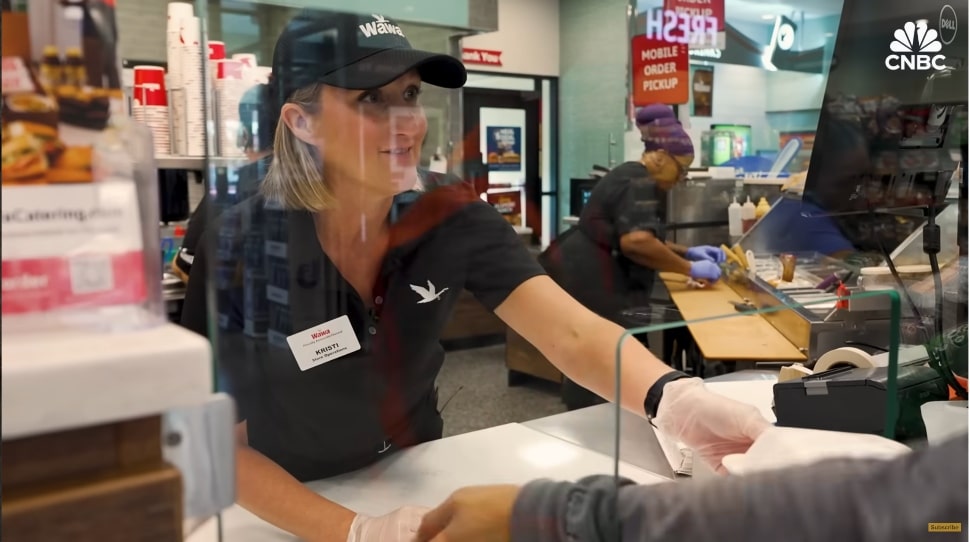
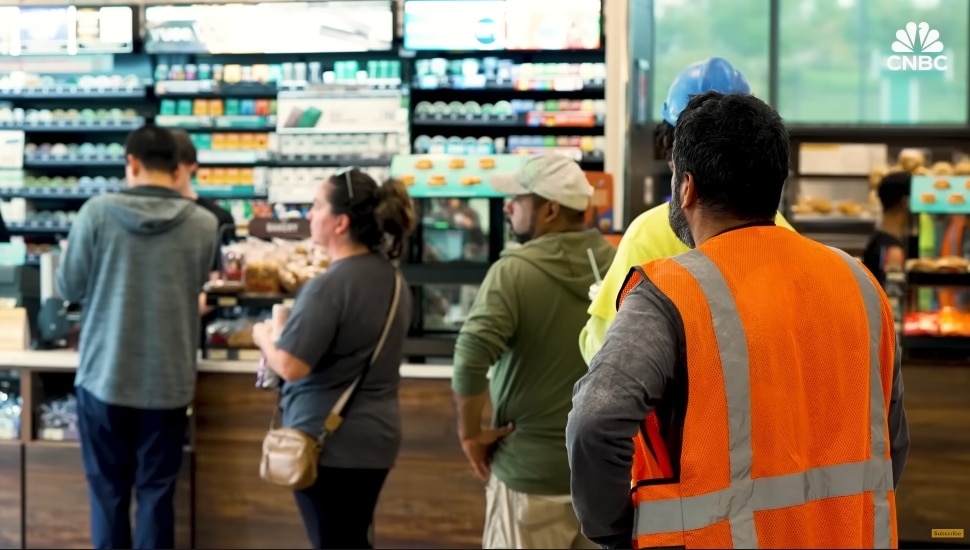
CNBC does a deep dive into how Wawa built loyalty, scaled fast, and keeps competing in a crowded convenience and fast-food landscape.