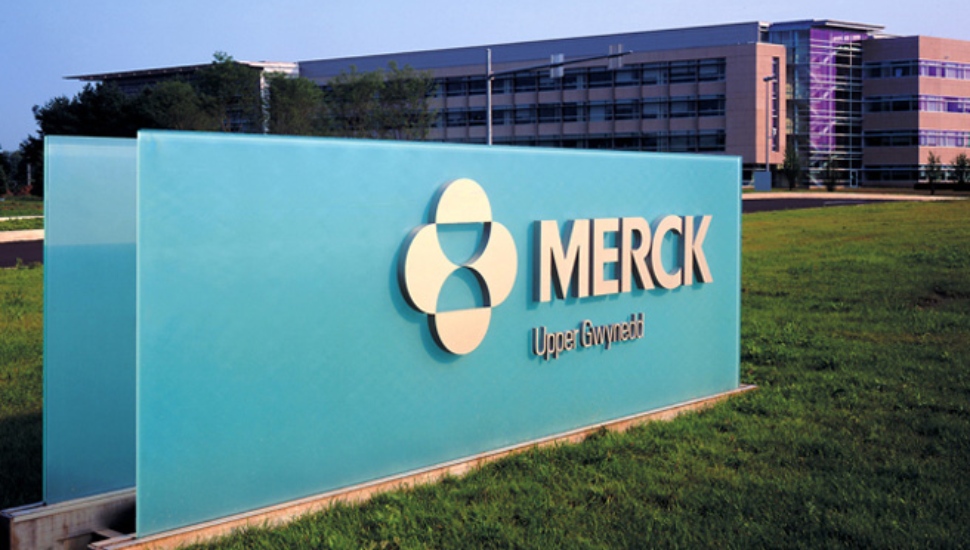
Merck, the pharmaceutical giant with multiple locations across Montco, is reporting success with a new oral cholesterol drug, according to Reuters.
The drug, enlicitide decanoate, recently met its main goal in a late-stage trial by reducing LDL (bad cholesterol) levels, which is a major risk factor for heart disease.
Merck anticipates patent losses for their cancer treatment drug, Keytruda. This new drug offers a boost for the company seeking new revenue drivers. The 24-week trial showed patients with hypercholesterolemia experienced meaningful LDL reductions compared to those on a placebo. The condition affects more than 70 million Americans.
Unlike traditional statins, which block cholesterol production in the liver, enlicitide targets a protein that regulates cholesterol. Current treatments are only available as injectables. Merck’s pill could make this therapy more accessible and expand the market significantly.
The development has drawn attention in the broader pharmaceutical industry. AstraZeneca is testing a competing oral drug, and Verve Therapeutics is advancing gene therapy options.
But Merck’s head start positions them as a leader in the race to bring next-generation treatment to market.
Read more about Merck’s new cholesterol pill in Reuters.