Philadelphia nonprofit Every Cure is using a Penn-made artificial intelligence tool that matches rare diseases with already existing medications, writes Sarah Gantz for The Philadelphia Inquirer.
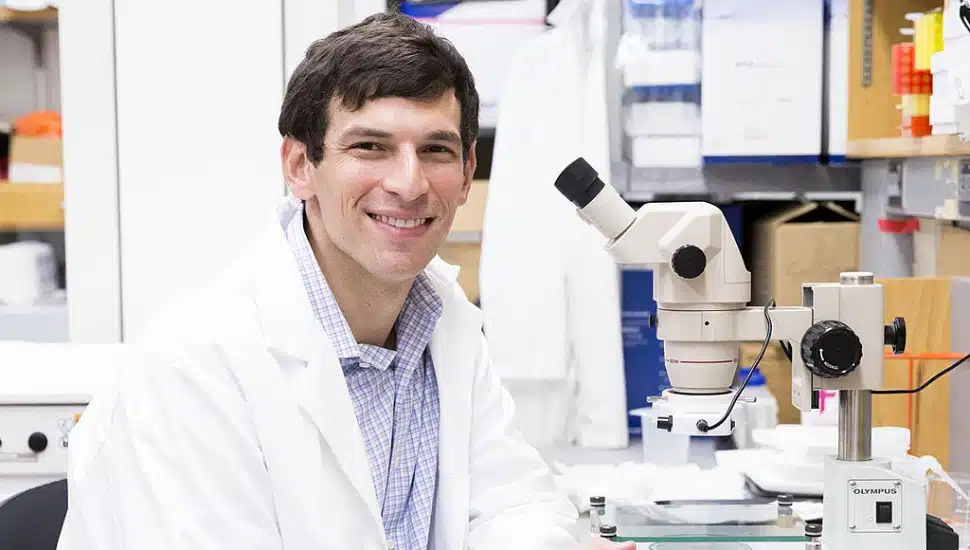
The nonprofit was founded by David Fajgenbaum, an associate professor at the University of Pennsylvania, and has already secured $108 million in federal contracts and private funding to identify promising disease-medication matches and propose further clinical studies based on those findings.
The nonprofit is currently eyeing four potential matches for its first set of recommendations this spring.
While he did not give any specifics about the potential matches, Fajgenbaum said it has found unexpected potential in old, cheap generic drugs.
In one case, the nonprofit identified a match between a common form of cancer and an inexpensive generic drug. Small-scale academic studies had determined that the drug could effectively treat the specific form of cancer, but that match has gone largely unnoticed due to the lack of a financial incentive to market it as a possible cancer treatment.
“There appears to be a market failure,” said Fajgenbaum. “A cheap drug that wasn’t made for cancer but is potentially very promising — this is just not the way our system is designed to work.”
Read more about Every Cure and how it uses artificial intelligence to help patients with rare diseases in The Philadelphia Inquirer.
_____